I. South American Countries and Population Structure
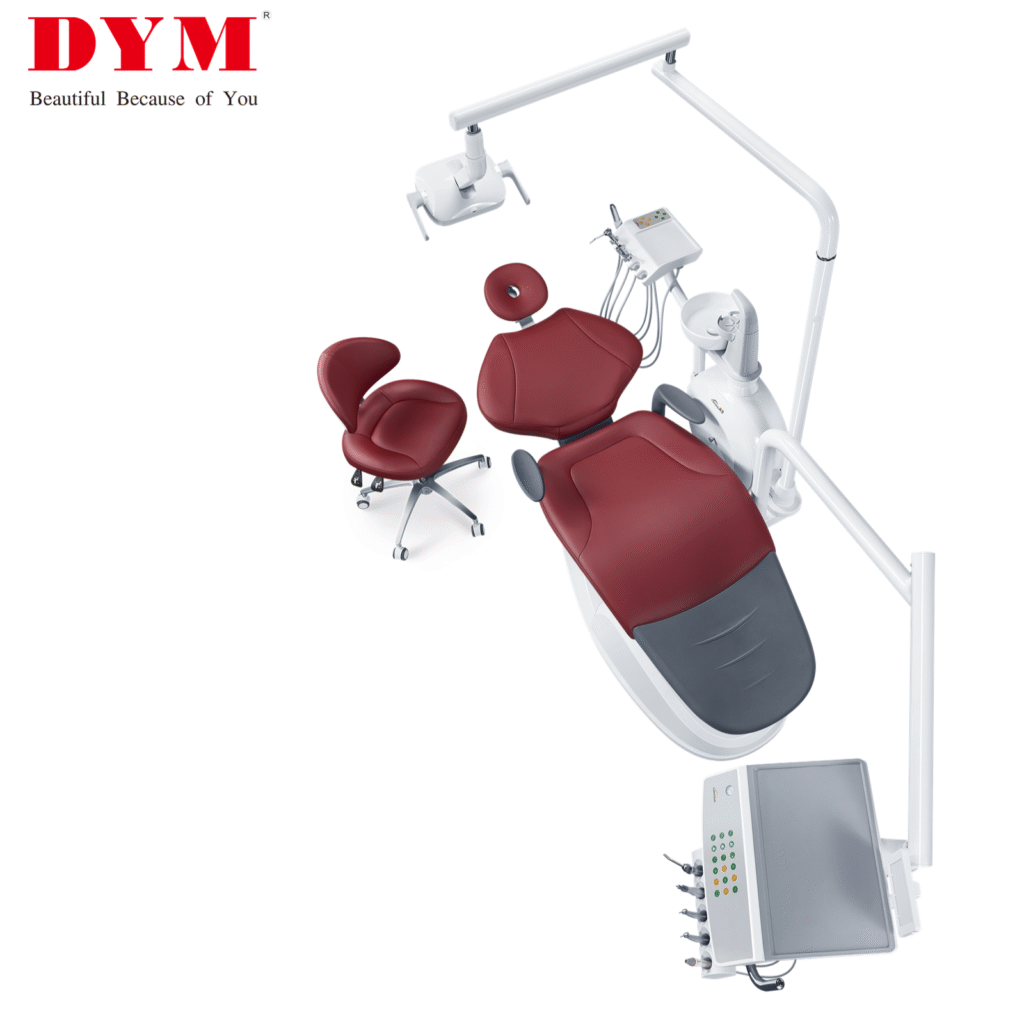
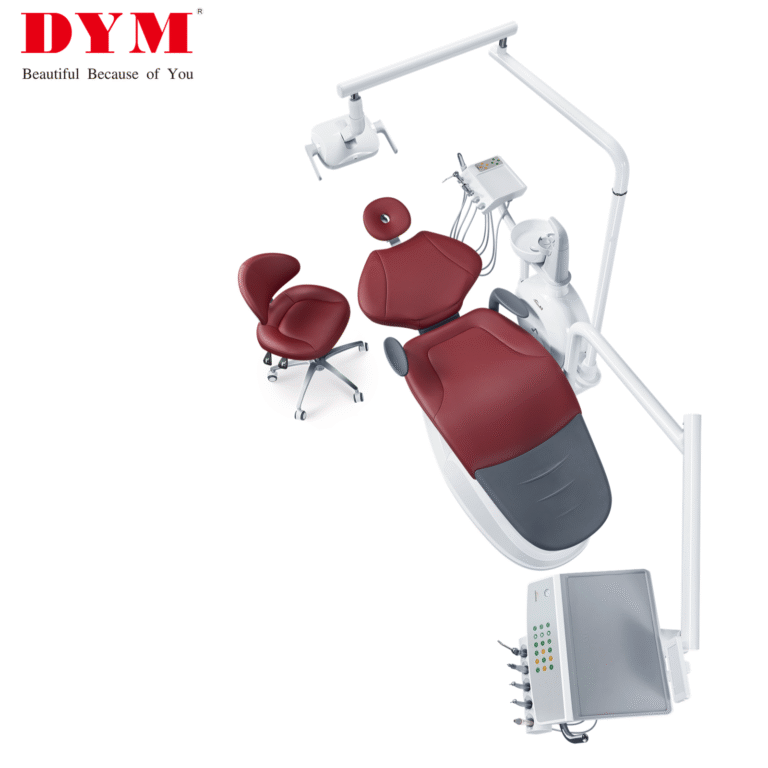
New high-end dental chair
South America comprises 12 sovereign states: Brazil, Colombia, Argentina, Peru, Venezuela, Chile, Ecuador, Bolivia, Uruguay, Paraguay, Guyana, and Suriname.
Most populous country: Brazil
Population approximately 213 million (2025), accounting for nearly half of South America’s total population
Ranked fifth globally, after China, India, the United States, and Indonesia
São Paulo state in the southeast has the highest population density, with an urbanization rate exceeding 84%
II. Characteristics of South American Dietary Habits
South American cuisine blends indigenous, European, African, and Asian cultures, resulting in a unique flavor profile:
High-sugar drinks and tropical fruits increase the risk of tooth decay
Grilled meats and spicy foods may cause oral mucosal problems
A traditional diet rich in fruits and vegetables contributes to oral health.
III. Oral Health Awareness and Status in South America
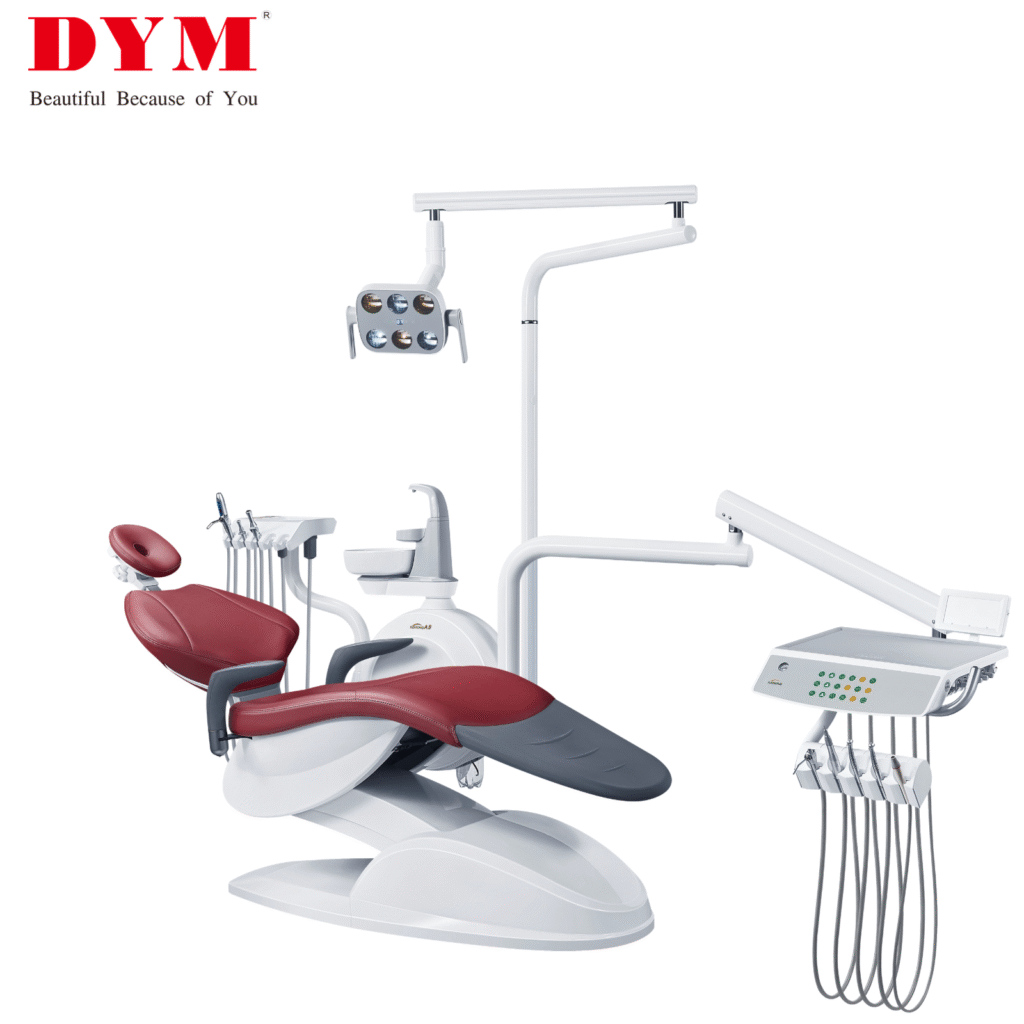
dental chair
Brazil: Leading the world in oral health awareness
One dentist per 500 people, the highest density globally
67.5% of adults use dental floss, correlated with socioeconomic status
Median brushing frequency is 3 times per day
The oral care market exceeded $1 billion in 2022, with an annual growth rate of approximately 5%.
Other South American Countries:
Colombia, Chile, Uruguay: Relatively comprehensive oral health data; high oral care awareness among the middle class
Peru, Ecuador: Significant urban-rural disparities; low oral health awareness in rural areas
Tooth decay: The DMFT (Dental Dental Factometry) rate among 12-year-olds in Brazil decreased from 3.72 in 1998 to 2.52 in 2002, but uneven distribution has worsened.
Gum problems: A survey in Costa Rica showed a gingivitis prevalence rate as high as 99.6%.
Market Characteristics:
screenshot 2025 09 28 143427
Toothpaste holds the largest share of the oral care market, with rising demand for natural and organic products.
Brazil, Colombia, and Argentina are the main consumer countries, accounting for over 70% of the regional market.
There is significant room for improvement in oral health awareness in rural areas, expected to contribute 0.6% market growth.
IV. Duoyimei’s Strategy for Entering the South American Market
Product Strategy: Differentiated Solutions Tailored to Local Conditions
For the Brazilian Market (High-End Demand):
Launch a smart dental treatment unit integrating digital diagnostic functions.
Develop professional oral care kits adapted to South American dietary characteristics (such as anti-caries and gum care series).
Provide one-stop equipment solutions for dental clinics, including wastewater treatment systems (compliant with local environmental standards).
For Other South American Countries (Value-for-Money Demand):
Develop affordable dental equipment to meet basic treatment needs.
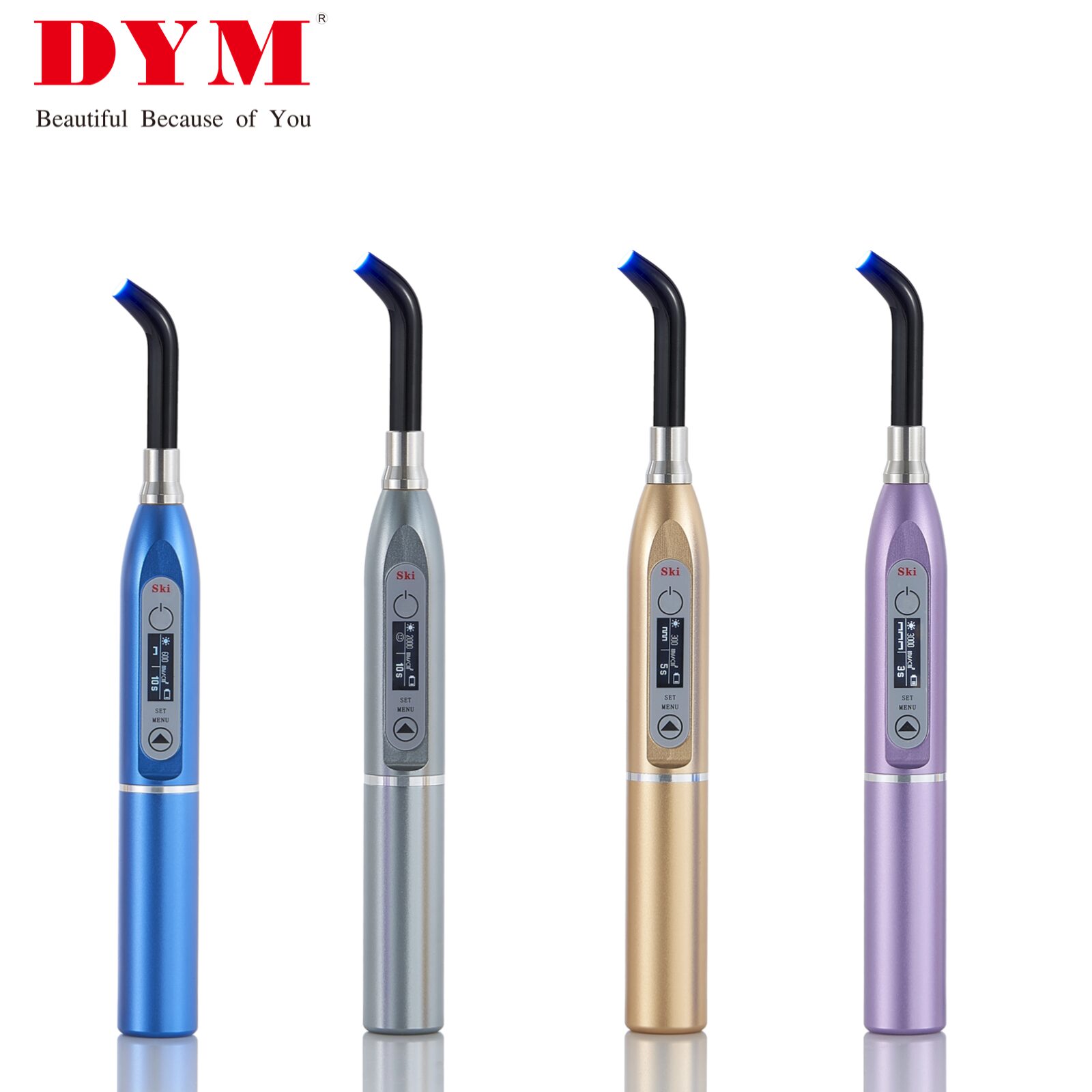
Promote portable and durable dental handpieces and accessories suitable for areas with weak infrastructure.
Provide a remote dental training system to improve the technical skills of local dentists.
Marketing Strategy: Online and Offline Integration
Digital Marketing:
Leveraging Brazil’s robust social media ecosystem (TikTok has over 200 million users, with an average daily usage time of 90 minutes):
Collaborate with local KOLs to promote oral health knowledge and products.
Develop a bilingual Spanish/Portuguese app offering features such as appointment booking and oral health self-assessment.
Offline Promotion:
Participate in dental exhibitions in Brazil, Argentina, and other countries (e.g., the Brazil International Dental Exhibition).
Establish showrooms and training bases in major cities.
Collaborate with local dental associations to organize public welfare activities related to oral health.
Business Model Innovation
Equipment leasing + consumables sales model reduces initial investment for clinics.
Establish the “Duoyimei Dental Alliance” to provide technical support and brand endorsement to franchise clinics.
Collaborate with local medical institutions to implement the “Oral Health in Every Village” project, covering rural areas.
V. The Benefits Duoyimei Brings to South America
Improving Accessibility to Oral Healthcare
Providing portable dental equipment to remote areas, filling gaps in medical resources.
Reducing operating costs for dental clinics, making quality services more affordable. 1. Improve the current situation of “difficult and expensive dental care” in South America
Promote oral health awareness
Enhance oral health awareness among South Americans (especially children and rural populations) through community education programs
Provide professional training to improve the treatment level of local dentists
Promote the concept of prevention-oriented oral health to reduce the incidence of tooth decay and periodontal disease
Drive the upgrading of the dental industry
Introduce advanced digital dental technology to improve treatment efficiency and accuracy
Help establish a standardized dental clinic operation system
Promote the concept of environmentally friendly dentistry and reduce medical waste pollution
Economic empowerment
Create local employment opportunities (sales, after-sales, training)
Support the development of local dental clinics and drive the related industrial chain
Enhance the global competitiveness of South American dental services
We believe that the efforts of Duoyimei Company will allow the people of South America to experience the beauty of “Made in China”. Let us work together to create a healthy South America.
What can DYM, a manufacturer of mid-to-high-end dental equipment with 18 years of experience, bring to the South American market?
I. South American Countries and Population Structure
South America comprises 12 sovereign states: Brazil, Colombia, Argentina, Peru, Venezuela, Chile, Ecuador, Bolivia, Uruguay, Paraguay, Guyana, and Suriname.
Most populous country: Brazil
Population approximately 213 million (2025), accounting for nearly half of South America’s total population
Ranked fifth globally, after China, India, the United States, and Indonesia
São Paulo state in the southeast has the highest population density, with an urbanization rate exceeding 84%
II. Characteristics of South American Dietary Habits
South American cuisine blends indigenous, European, African, and Asian cultures, resulting in a unique flavor profile:
High-sugar drinks and tropical fruits increase the risk of tooth decay
Grilled meats and spicy foods may cause oral mucosal problems
A traditional diet rich in fruits and vegetables contributes to oral health.
III. Oral Health Awareness and Status in South America
Brazil: Leading the world in oral health awareness
One dentist per 500 people, the highest density globally
67.5% of adults use dental floss, correlated with socioeconomic status
Median brushing frequency is 3 times per day
The oral care market exceeded $1 billion in 2022, with an annual growth rate of approximately 5%.
Other South American Countries:
Colombia, Chile, Uruguay: Relatively comprehensive oral health data; high oral care awareness among the middle class
Peru, Ecuador: Significant urban-rural disparities; low oral health awareness in rural areas
Tooth decay: The DMFT (Dental Dental Factometry) rate among 12-year-olds in Brazil decreased from 3.72 in 1998 to 2.52 in 2002, but uneven distribution has worsened.
Gum problems: A survey in Costa Rica showed a gingivitis prevalence rate as high as 99.6%.
Market Characteristics:
Toothpaste holds the largest share of the oral care market, with rising demand for natural and organic products.
Brazil, Colombia, and Argentina are the main consumer countries, accounting for over 70% of the regional market.
There is significant room for improvement in oral health awareness in rural areas, expected to contribute 0.6% market growth.
IV. Duoyimei’s Strategy for Entering the South American Market
Product Strategy: Differentiated Solutions Tailored to Local Conditions
For the Brazilian Market (High-End Demand):
Launch a smart dental treatment unit integrating digital diagnostic functions.
Develop professional oral care kits adapted to South American dietary characteristics (such as anti-caries and gum care series).
Provide one-stop equipment solutions for dental clinics, including wastewater treatment systems (compliant with local environmental standards).
For Other South American Countries (Value-for-Money Demand):
Develop affordable dental equipment to meet basic treatment needs.
Promote portable and durable dental handpieces and accessories suitable for areas with weak infrastructure.
Provide a remote dental training system to improve the technical skills of local dentists.
Marketing Strategy: Online and Offline Integration
Digital Marketing:
Leveraging Brazil’s robust social media ecosystem (TikTok has over 200 million users, with an average daily usage time of 90 minutes):
Collaborate with local KOLs to promote oral health knowledge and products.
Develop a bilingual Spanish/Portuguese app offering features such as appointment booking and oral health self-assessment.
Offline Promotion:
Participate in dental exhibitions in Brazil, Argentina, and other countries (e.g., the Brazil International Dental Exhibition).
Establish showrooms and training bases in major cities.
Collaborate with local dental associations to organize public welfare activities related to oral health.
Business Model Innovation
Equipment leasing + consumables sales model reduces initial investment for clinics.
Establish the “Duoyimei Dental Alliance” to provide technical support and brand endorsement to franchise clinics.
Collaborate with local medical institutions to implement the “Oral Health in Every Village” project, covering rural areas.
V. The Benefits Duoyimei Brings to South America
Improving Accessibility to Oral Healthcare
Providing portable dental equipment to remote areas, filling gaps in medical resources.
Reducing operating costs for dental clinics, making quality services more affordable. 1. Improve the current situation of “difficult and expensive dental care” in South America
Promote oral health awareness
Enhance oral health awareness among South Americans (especially children and rural populations) through community education programs
Provide professional training to improve the treatment level of local dentists
Promote the concept of prevention-oriented oral health to reduce the incidence of tooth decay and periodontal disease
Drive the upgrading of the dental industry
Introduce advanced digital dental technology to improve treatment efficiency and accuracy
Help establish a standardized dental clinic operation system
Promote the concept of environmentally friendly dentistry and reduce medical waste pollution
Economic empowerment
Create local employment opportunities (sales, after-sales, training)
Support the development of local dental clinics and drive the related industrial chain
Enhance the global competitiveness of South American dental services
We believe that the efforts of Duoyimei Company will allow the people of South America to experience the beauty of “Made in China”. Let us work together to create a healthy South America.