Ask For A Quick Quote
We will contact you within 1 working day, please pay attention to the email with the suffix “@fsdym.com”.

We will contact you within 1 working day, please pay attention to the email with the suffix “@fsdym.com”.

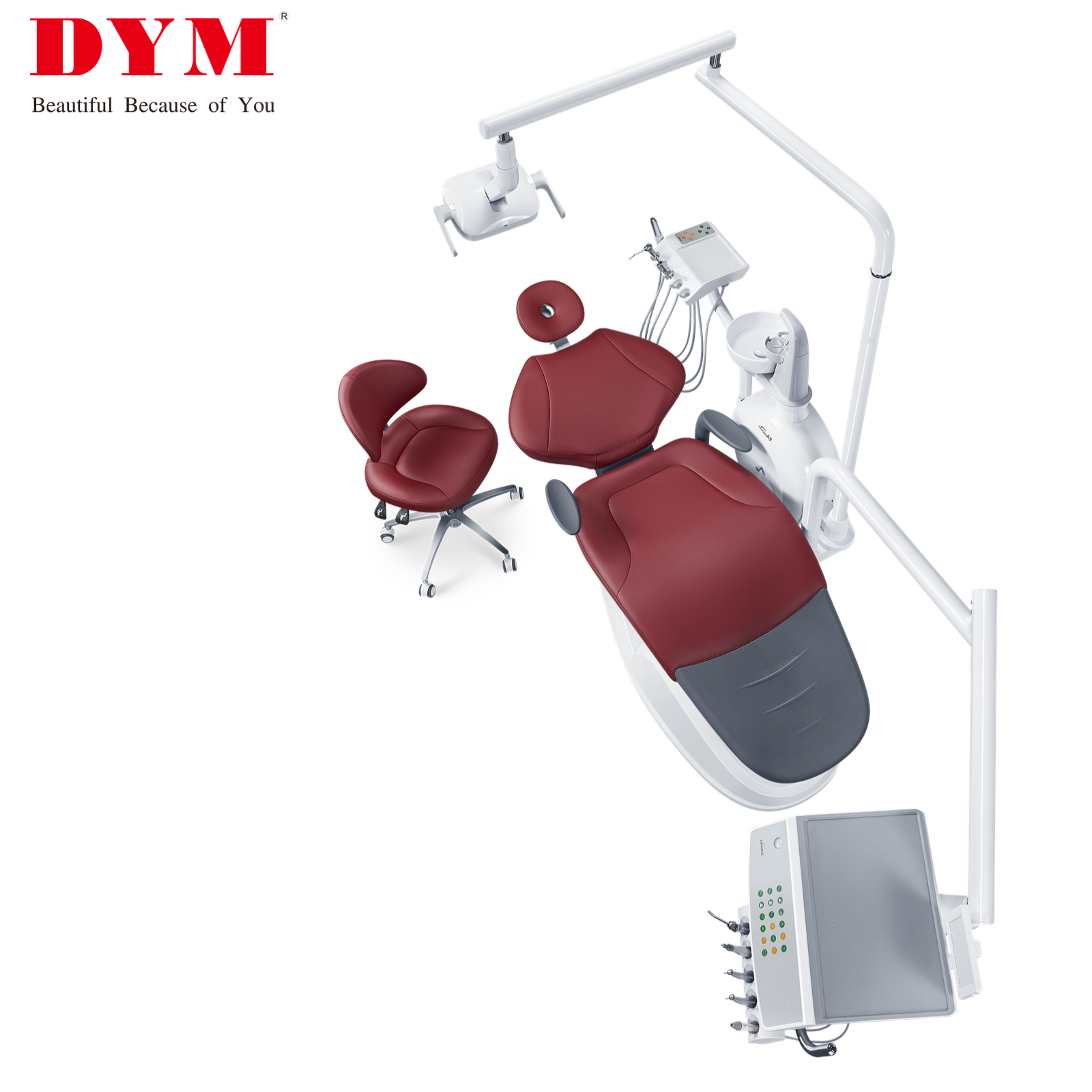
DYM One-Stop High-End Dental Equipment shares insights on the population size and dental industry development prospects of South American countries.
I. Core Characteristics of Population Size and Structure in South American Countries
1. Total Population and Growth Trends in South American Countries
In 2024, the total population of South America was approximately 440 million, with Brazil (216 million), Argentina (47.32 million), and Colombia (52.16 million) contributing over 70% of the total. Regional growth exhibits a “stable center, differentiated periphery” characteristic: core countries like Brazil and Argentina have seen their average annual growth rate slow to 0.5%-1% due to declining fertility rates; while countries like Bolivia and Paraguay maintain growth rates above 1.5%. The United Nations predicts that South America’s population will exceed 470 million by 2030 and approach 530 million by 2050. The proportion of those aged 65 and over will rise from 8.1% in 2024 to 14.3%, with the accelerated aging process driving demand for restorative dental products.
2. Key Dimensions of Population Structural Differentiation in South American Countries
1. Age Stratification and Consumption Potential: The 15-35 age group accounts for over 38%, with this group reaching 82 million in Brazil, forming the core consumer group for cosmetic dentistry such as teeth whitening and invisible orthodontics. Meanwhile, Brazil’s population aged 60 and over has reached 32 million, with a tooth loss rate exceeding 72%, driving a rigid increase in demand for restorative consumables such as dentures and dental implants.
2. Driven by Wealth and Urbanization: Countries like Brazil and Chile have urbanization rates exceeding 85%, with major cities like São Paulo and Rio de Janeiro concentrating 65% of the nation’s dental resources, and per capita oral health expenditure reaching $320. In contrast, dental service coverage in rural areas of countries like Peru and Ecuador is less than 15%, indicating that basic healthcare needs have not been fully met.
3. Compound Health Risks: The prevalence of diabetes is 11.3% (over 12% in Brazil), and the traditional high-sugar diet and substandard fluoride levels in tap water are significant problems (nearly 30% of São Paulo has abnormal fluoride levels), leading to persistently high rates of tooth decay. In countries like Chile, the rate of tooth decay among children still exceeds 50%, creating a continuous need for treatment.
II. Growth Momentum and Prospects of the Dental Industry in South American Countries
1. Dental Market Size and Growth of Segmented Dental Markets
1. Key Data: The South American dental market was valued at approximately US$2.8 billion in 2024 and is projected to grow to US$5.2 billion by 2031, representing a CAGR of 9.1% from 2024 to 2031. The core growth drivers are concentrated in three main areas:
2. Restorative Consumables: The denture market sold over 18 million dentures in 2024, with Brazil accounting for 27% of the Americas market share. The market size is projected to exceed $1.2 billion by 2031, with a CAGR of 8.7%;
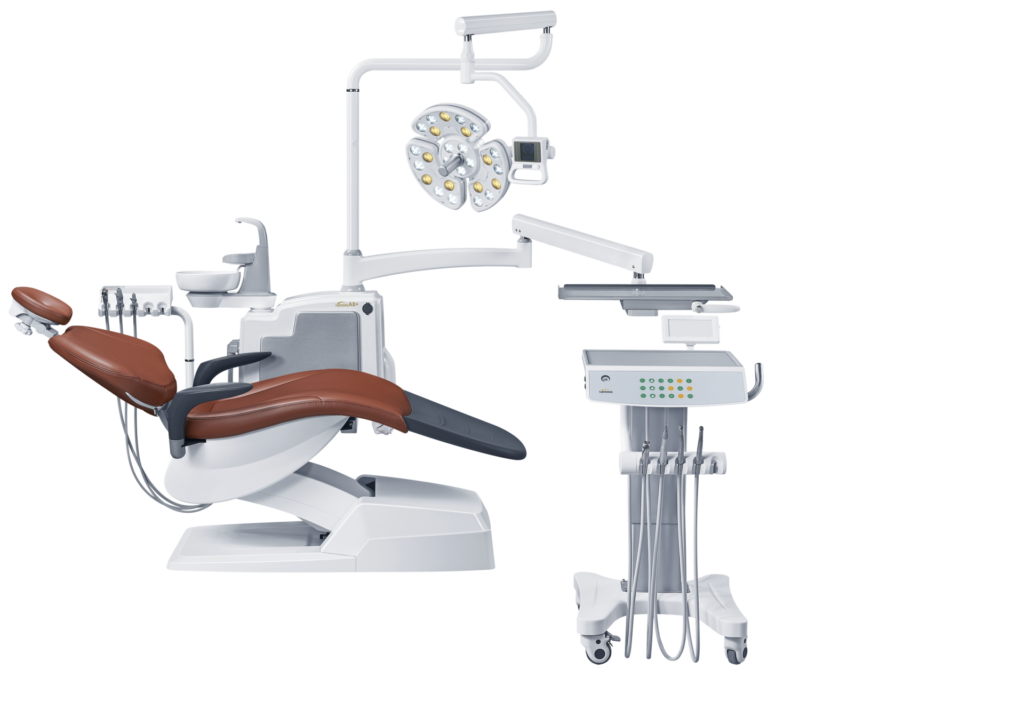
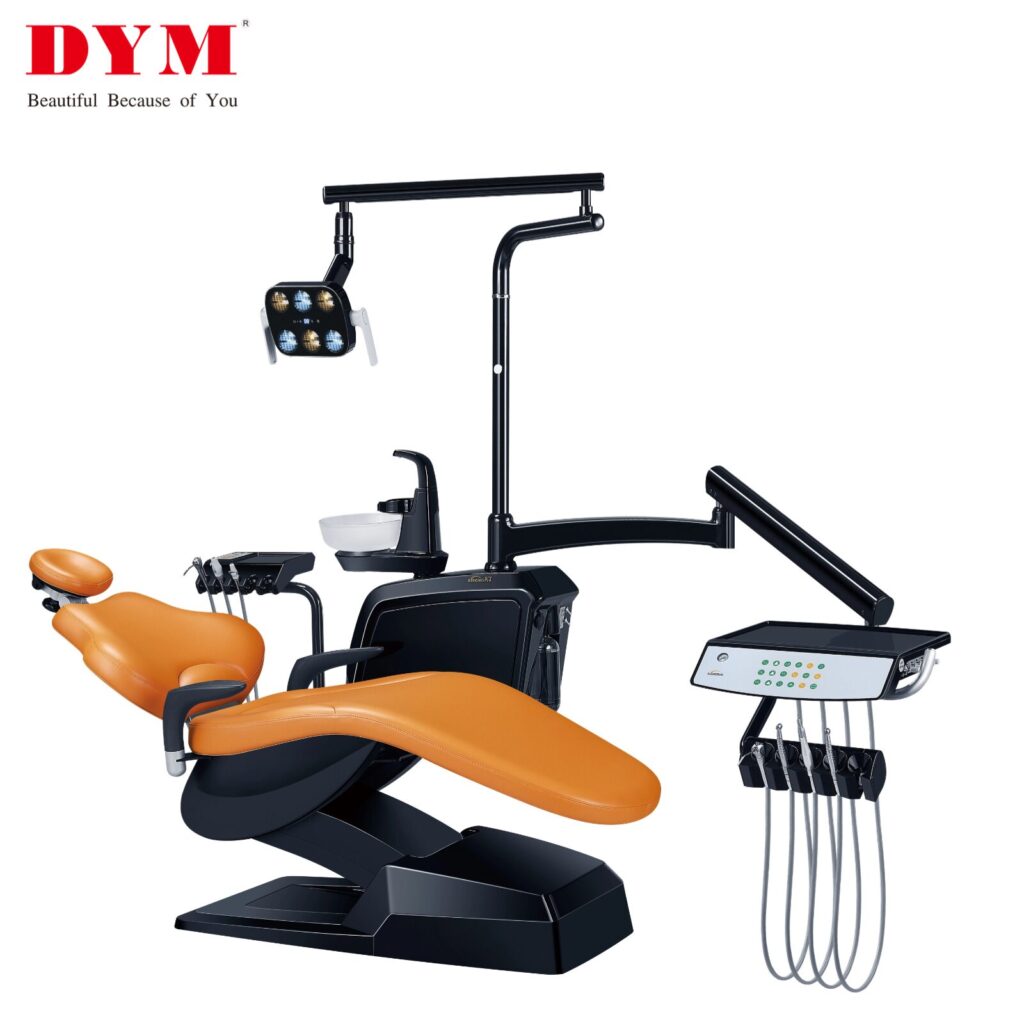
3. Digital Equipment: Demand for dental chairs, dental scanners, CBCT, and other dental equipment is growing rapidly. Brazil and Argentina are the core regional markets, with dental revenue expected to exceed 10% from 2024 to 2030;
4. SaaS and Financial Services: Dental vertical SaaS platforms are emerging. Capim, a Brazilian company, serves 6,000 dental clinics, and its “buy now, pay later” solution has helped 60,000 patients receive quality dental treatment, with revenue tripling in 2024.
2. Three Pillars of Driving Factors
1. Accelerated Penetration of Technological Innovation: International giants and local innovators are collaborating to drive digital transformation. Companies like Dentsply Sirona and Ivoclar Vivadent have established CAD/CAM equipment production lines in Brazil. Chinese companies, leveraging their cost-effectiveness, have driven an 18% annual increase in the penetration rate of mid-to-low-end digital dental equipment. Simultaneously, dental SaaS platforms are digitizing clinic operations, improving single-store efficiency by over 35%.
2. Breakthroughs in Payment Systems: Traditional dental insurance coverage is less than 15%, but financial tools such as “buy now, pay later” (BNPL) are rapidly gaining popularity. Companies like Capim in Brazil are lowering the consumption threshold through installment payment plans, driving a 40% increase in demand for high-cost procedures such as orthodontics and dental implants. Some companies are piloting a “treatment + insurance” bundled model, further activating the consumption potential of low- and middle-income groups. 3. The industry ecosystem is gradually improving: The DSO (Dental Service Organization) model is expanding rapidly. Drawing on mature experience in North America, Brazil has seen the emergence of chain brands managing over 50 dental clinics, reducing costs through standardized services and centralized procurement. Local exhibitions (such as the Brazilian Dental Exhibition ABO) have become windows for technical exchange, promoting the integration of international technology with local needs.
3. Forecast of South American Dental Market Trends from 2025-2035
1. Short-term (2025-2027): Penetration rate of digital dental equipment will increase from 22% to 40%. Brazil will form a cluster of “chairside digital treatment centers,” with SaaS platforms covering over 20,000 clinics. Payment innovation will drive a 50% increase in demand for cosmetic dentistry.
2. Medium-term (2028-2030): Dental tourism will become a new growth driver. Brazil will attract patients from North America and Europe due to its “mature technology + price advantage,” with implant package prices 40%-60% lower than in the United States.
3. Long-term (2031-2035): Regional integration will promote mutual recognition of dental consumables. Mercosur may establish unified access standards, reducing supply chain costs by 20%. The coverage of affordable dental services in rural areas will increase to 35%. III. Challenges and Breakthrough Paths in the Development of the Dental Market in South American Countries
1. Core Bottlenecks in the Development of the Dental Market
1. Uneven Resource Distribution: Brazil has 58 dentists per 100,000 people, while Bolivia has only 3.2. Equipment penetration in rural areas is less than 8%, resulting in significant disparities in accessibility to basic medical care.
2. Insufficient Affordability: 80% of treatment costs are out-of-pocket. Dental insurance coverage is low, making it difficult for low- and middle-income groups to afford high-end procedures such as dental implants (each implant costing over $1200 USD).
3. Uneven Technology Application: 75% of small and medium-sized dental clinics lack access to digital dental equipment due to funding shortages; only leading institutions can provide chairside immediate restoration services.
2. Key Breakthroughs
1. Decentralizing Dental Professional Skills and Controlling Costs: Promote miniaturized, cost-effective equipment (such as compact dental chairs and entry-level dental scanners) to lower the digitalization threshold for dental clinics; learn from the Capim model to expand the coverage of “buy now, pay later” services, reducing down payments to below 15%;
2. Addressing Shortcomings in Dental Talent and Infrastructure: Brazil, Argentina, and other countries have jointly established a “Digital Dental Training Base,” planning to train 30,000 professionals by 2030; improve basic dental care coverage in rural areas through mobile dental clinic models;
4. The Development of the Dental Market Requires Policy and Market Coordination: Encourage governments to include basic dental care in medical insurance pilot programs, expand the scope of fluoride caries prevention programs (e.g., Chile has reduced caries rates by 11.7% through water quality improvements), and establish unified regional standards for equipment and consumables.
IV. The South American Dental Market Needs New Growth Drivers Driven by Diversification The South American dental market exhibits a “dual-track development” pattern: mature markets, centered on Brazil and Argentina, are leading high-end consumption growth through digital technology and payment innovation; while potential markets, represented by Peru and Ecuador, are releasing inclusive demand through improved infrastructure and policy support. Over the next 10 years, driven by technological iteration, financial innovation, and industry integration, South America will become one of the fastest-growing regions in the global dental industry, with restorative consumables, digital dental equipment, and SaaS services expected to be the most valuable investment segments. With the trust of 100,000 dental users worldwide, DYM has now gone global, offering one-stop manufacturing services to dental clinics in various countries and regions, including Indonesia, Turkey, Mexico, India, Pakistan, Cambodia, Laos, Nepal, Thailand, the Philippines, Brunei, Uzbekistan, Kyrgyzstan, Tajikistan, Kazakhstan, Russia, Iraq, Syria, Iran, Kenya, Tanzania, Nigeria, Cameroon, and the Dominican Republic. With 18 years of manufacturing experience, a 10,000-square-meter factory, 32 dental equipment production lines, and 60 precision CNC machining machines, DYM can provide personalized customization services to dental chains, dental clinics, and dental equipment agents around the world.