Ask For A Quick Quote
We will contact you within 1 working day, please pay attention to the email with the suffix “@fsdym.com”.

We will contact you within 1 working day, please pay attention to the email with the suffix “@fsdym.com”.


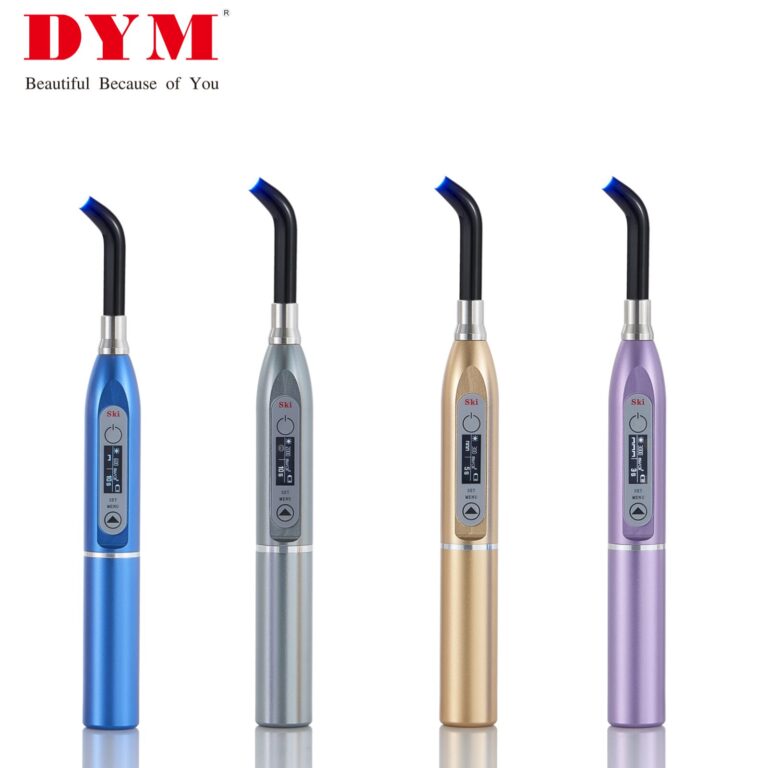
DYM Low-Temperature Light-Curing Machine shares with you the population growth in Middle Eastern countries and the future development of the dental market.
Core Characteristics of Population Size and Structure in Middle Eastern Countries
Population Total and Growth Trends of Middle Eastern Countries
The total population of the Middle East region (including parts of Western Asia and North Africa such as Arab countries) was approximately 490 million in 2024. Among them, the six Gulf Cooperation Council (GCC) countries accounted for about 15%, while populous countries like Egypt and Iran contributed over 60% of the total population. The regional growth is showing differentiation: wealthy countries such as Qatar and the United Arab Emirates have annual growth rates exceeding 2% due to immigration inflows, while countries like Iran and Turkey have seen their growth rates slow down to below 1% due to declining fertility rates. The United Nations predicts that the Middle East population will exceed 550 million by 2030 and approach 700 million by 2050, with the proportion of people aged 65 and above rising from 5.2% in 2024 to 9.8%.
Key Dimensions of Population Structure Differentiation in Middle Eastern Countries
Significant age stratification of the population in Middle Eastern countries: The youth dependency ratio (population under 15 years old / working-age population) presents a ‘bipolar’ pattern—Afghanistan and Yemen have ratios over 70%, while Qatar and the UAE are only 18%-20%. Core markets such as Saudi Arabia and Egypt have more than 35% of their population aged 15-35, forming the core consumer group for cosmetic dentistry; at the same time, Saudi Arabia has 3.8 million people aged 60 and above, with a tooth loss rate exceeding 65%, driving growth in restoration demand.
Wealth and urbanization-driven factors in Middle Eastern countries: GCC countries have a percapita GDP of over $30,000, with an urbanization rate of 100%, and cities such as Dubai and Riyadh concentrate 70% of the country’s dental resources; while in Iraq and Syria, the urbanization rate is less than 60%, and rural areas have a dental service coverage rate of only 12%.
3.Population health risks in Middle Eastern countries: The regional diabetes prevalence rate is the highest in the world (18.7% in Saudi Arabia), and traditional diets are high in sugar with low smoking control rates, leading to a periodontal disease incidence rate exceeding 40%, and dental caries prevalence reaching 76.5% in countries like Turkey, forming rigid demand for oral treatment.
II:The Three Pillars Driving the Development of the Dental Market
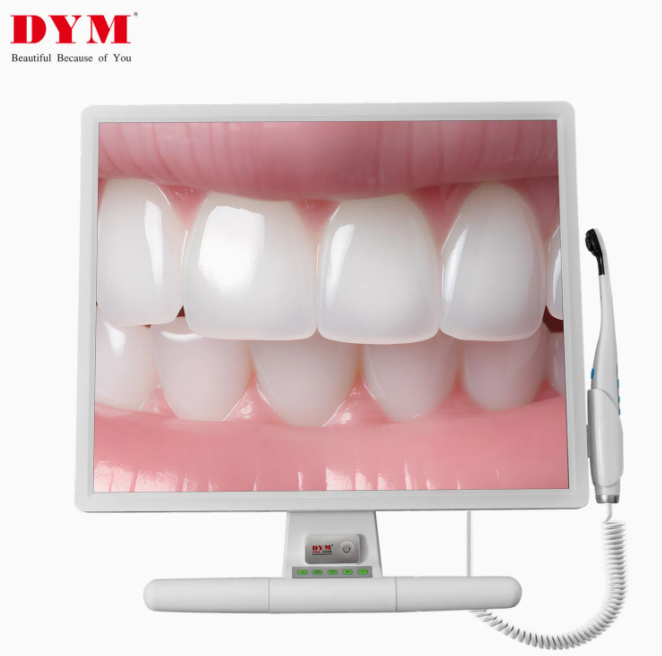
Dental Market Size and Sub-sector Growth
Key Data on the Development of the Middle East Dental Market: The Middle East dental market was valued at $123 million in 2023, reaching $133 million in 2024, and is projected to grow to $281 million by 2032, with a CAGR of 9.8%. Among this, the Middle East accounts for approximately 65%, with core growth concentrated in three areas:
Demand for Dental Implants: The market size for dental implants is expected to reach $65.77 million by 2030, with a CAGR of 8.5%. In Saudi Arabia and the UAE, driven by aging populations and aesthetic demands, the consumption price per dental implant ranges from $1,500 to $2,000;
Digital Dental Equipment: Dubai is promoting the implementation of “20-minute full-ceramic crown printing” technology. The 3D-printed medical products market is projected to reach 1.7 billion dirhams (approximately 3 billion RMB) by 2025, accounting for 15% of the global market;
Tele-dental Treatment: The market size for tele-dental treatment is expected to reach $163.1 million by 2030, with a CAGR of 15.5% from 2025 to 2030. Saudi Arabia, supported by policy initiatives, has become the fastest-growing market.
Three Pillars Driving the Development of the Dental Market
Technological Innovation Leading Upgrades: Saudi Arabia has introduced the Element 5D Plus intraoral scanning system, increasing the digitalization rate of orthodontics to 35%. Chinese enterprises have entered the high-end equipment market with a price advantage of 40% lower than European and American counterparts, driving an annual increase of 22% in the Penetration rate of CAD/CAM equipment. It is estimated that by 2025-2030, AI diagnosis combined with 3D-printed customization will cover 50% of the dental implant process, shortening treatment time by 70%.
Improved Payment Systems: The Saudi dental insurance market is expanding rapidly due to the “Healthy Saudi 2030” plan. Enterprise group insurance coverage has risen from 18% in 2020 to 42% in 2025, with reimbursement rates for preventive care reaching 80%, stimulating growth in demand for routine oral treatments.
Synergistic Industrial Ecosystem: International giants are accelerating their Layout Dentsply Sirona has formed a strategic cooperation with 3Shape to expand its orthodontic product line, while Envista has launched the Damon Ultima system to capture market share. Local exhibitions (such as Egypt IDEX) have become windows for technology implementation, with Chinese enterprises like Reesai Intelligent quickly penetrating the regional market through products such as 3D printers.
Trend Forecast for the Middle East Dental Market (2025-2035)
Short-term (2025-2027): The penetration rate of digital dental equipment will rise from 18% to 35%. Clusters of ” digital treatment centers” will form in Dubai and Riyadh, with efficiency per dental clinic increasing by 40%;
Medium-term (2028-2030): Dental tourism will emerge as a new growth point. The UAE, leveraging its “high-end technology + price advantage”, will attract patients from Eastern Europe, with dental implant package prices 30%-50% lower than in Europe;
Long-term (2031-2035): Regional unified regulatory standards will gradually be established, with GCC countries potentially achieving mutual recognition of dental consumables, reducing supply chain costs by 25%.
III:Challenges and Breakthrough Paths for the Development of Dental Markets in Middle Eastern Countries
Core Bottlenecks in the Dental Market Development of Middle Eastern Countries
Mismatch of Dental Resources: GCC countries have 65 dentists per 100,000 people, while Yemen has only 2.3. The Penetration rate of dental equipment in rural areas is less than 5%;
Technical Thresholds in Dentistry: 80% of small and medium-sized dental clinics cannot afford equipment such as 3D printers due to funding shortages, and the application of digital technology is concentrated in leading institutions;
Dental Regulatory Barriers: Dental product entry standards vary greatly across countries. Chinese enterprises entering the Saudi market need to obtain SASO certification, with a cycle of 6-8 months.
Key Breakthroughs Needed for the Development of the Middle Eastern Dental Market
penetration into lower-tier markets Dental Technology: Promote intelligent, compact dental equipment (occupying only 0.3 square meters, completing temporary crown printing in 20 minutes) to reduce the digitalization threshold for clinics;
Cultivation of Dental Professional Talent: Dubai has established a ‘3D Printing Dental Training Center’ and plans to train 5,000 digital dentists by 2027;
Payment Innovation for Dental Treatment: Saudi Arabia is piloting ‘dental installment insurance’, covering high-cost items such as dental implants, with the down payment ratio reduced to 20%.
Ⅳ:The dental market in Middle Eastern countries needs to be led by high-end dental markets, and the demand for affordable services awaits development.
The Middle East dental market exhibits a ‘pyramid structure’—with the apex being the high-end digital treatment market in GCC countries, characterized by core competitiveness in 3D printing and AI diagnosis; the base consists of basic treatment needs in populous nations like Egypt and Iran, relying on consumables and mid-to-low-end equipment penetration. Over the next 10 years, driven by technological iteration and policy support, the market will achieve ‘dual-wheel growth’: the high-end market will maintain a growth rate of over 12% thanks to technological premium, while the inclusive market will unlock potential through insurance of insurance services to lower-tier markets and equipment popularization. DYM Dental’s high-end equipment factory offers one-stop comprehensive supporting services), allowing dental equipment agents, dental service institutions, and dental clinic chains in Middle Eastern countries to purchase dental chairs, intraoral endoscopes, dental handpieces, air compressors, vacuum suction machines, sewage treatment machines, handpiece cleaning and lubricating agents, and handpiece washing and oiling machines in one place, ensuring efficiency and convenience. With 18 years of customer accumulation, you can rest assured.