DYM Dental invites you to explore the current landscape and future potential of the dental market across the five Central Asian countries. With the concept of “Comfortable Dentistry with DYM — Relax Without Fatigue,” we share insights into how this fast-emerging region is reshaping its oral healthcare sector.
I. Market Size and Growth Momentum of the Central Asian Dental Industry
Although there is a lack of global authoritative statistical data for the Central Asian dental market, regional trade figures and industry dynamics clearly indicate strong growth momentum:
Core Market Data: In Kazakhstan alone, the import value of dental consumables and equipment through cooperation with Chinese enterprises exceeded RMB 60 million in 2024, and is projected to grow at an annual rate of 25%–30%. Enterprises in the Xinjiang Pilot Free Trade Zone launched exports of dental prosthetics to Central Asia at the end of 2023, achieving over 100 orders in the first month, with an annual export target exceeding USD 2 million, reflecting robust regional demand.
Market Segmentation: Dental consumables (prosthetics, implants, and basic restorative materials) are currently the core growth drivers, accounting for more than 60% of the market. The equipment segment is dominated by mid-to-entry-level imaging systems, dental treatment units, dental handpieces, air compressors, and vacuum suction systems, while high-end digital devices such as intraoral scanners, 3D printing systems, and CBCT scanners are still in the market education phase.
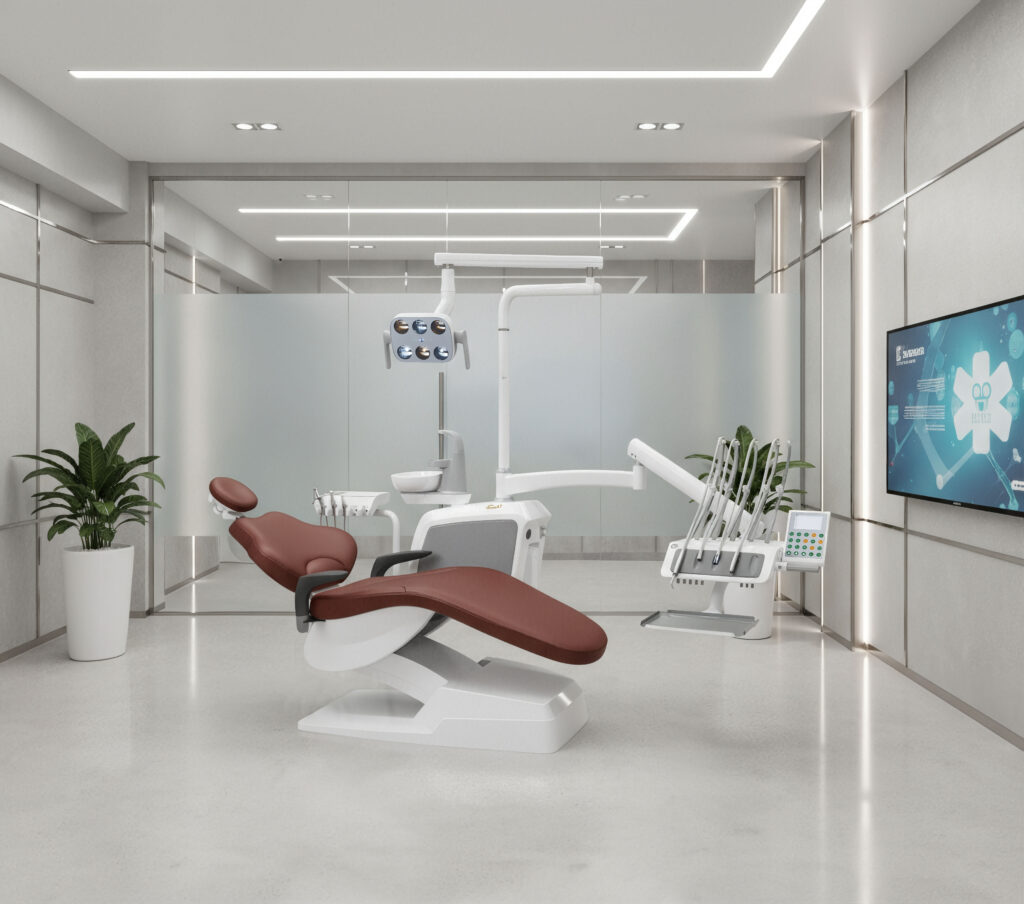
dental chair factory
II. Key Growth Drivers in the Central Asian Dental Market
1. Demand-Side Drivers: Oral Health Awareness and Treatment Needs
Rising Disease Burden: Central Asia has high prevalence rates of diabetes and cardiovascular diseases, both closely linked to periodontal disease. In addition, the aging population is accelerating—over 80% of people above 60 suffer from partial edentulism, creating growing demand for dental implants and removable prostheses.
Increasing Oral Health Awareness: The emerging middle class in cities such as Almaty and Tashkent is driving rapid growth in cosmetic dentistry. Demand for teeth whitening and orthodontic services is increasing by more than 40% annually in these urban centers.
Improved Affordability: In high-income sectors (such as energy and mining), companies have started offering corporate health insurance that includes dental coverage, lowering the payment barrier for high-end dental care.
2. Supply-Side Drivers: “Belt and Road” Initiative Accelerating Industrial Upgrading
Technology Transfer and Localization: Supported by China’s medical cooperation with Xinjiang, advanced dental technologies and equipment — including dental chairs, handpieces, air compressors, implant systems, endodontic motors, sterilization cabinets, autoclaves, vacuum systems, digital implant guides, and intraoral scanners — have been introduced to Central Asian hospitals and clinics.
Cross-Border Supply Chain Integration: The China-Kazakhstan IP Group “China Commodity Exhibition Center” lists dental consumables as a core export category. The Xinjiang Medical Device Trading Market, with over 50 leading enterprises, has become a regional distribution hub for dental products reaching Central Asia. In 2024 alone, medical equipment sales to the region exceeded USD 1 million.
Emerging Local Ecosystem: Chain dental clinics and large oral hospitals are emerging in Astana and Tashkent, some already equipped with basic digital dentistry systems, serving a radius of over 200 km.
3. Geographic Advantage and the Rise of Cross-Border Dental Services
Xinjiang’s geographic proximity to Central Asia significantly reduces service and logistics costs. Chinese companies now provide “Digital Design + Cross-Border Delivery” solutions, enabling Central Asian patients to access prosthetic restorations at 50% lower cost than in Europe, with a 3–5 day turnaround. This cost-performance advantage is driving the formation of a regional dental service network.
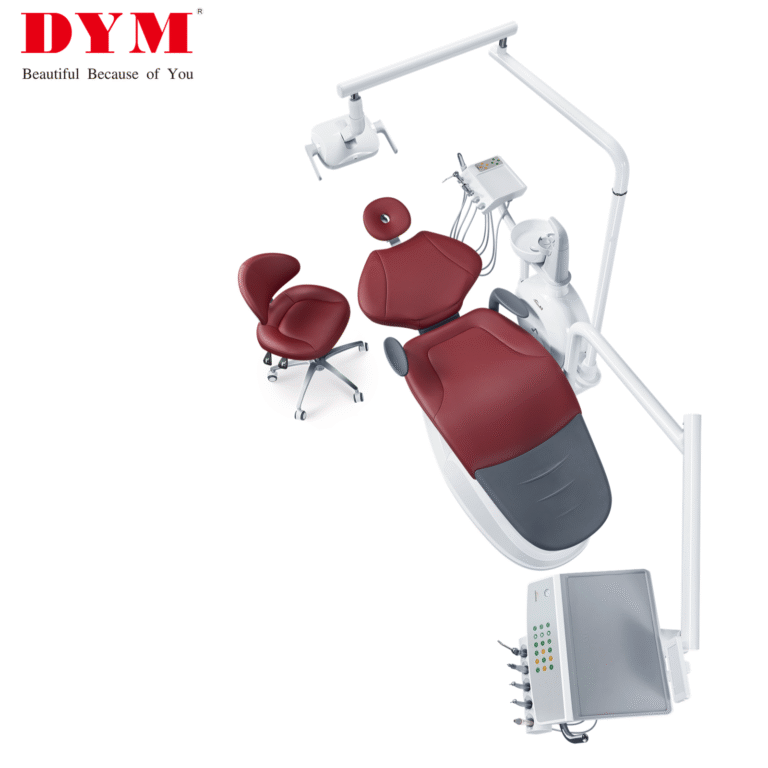
a7+ top mounted tray
III. Key Challenges in the Central Asian Dental Market
Uneven Healthcare Resources: About 90% of dental clinics and professionals are concentrated in capital or industrial cities. Rural areas still rely on mobile dental vehicles, with dental equipment penetration below 10%.
Severe Shortage of Skilled Dental Professionals: On average, there are only 2.3 dentists per 100,000 population, and nearly half have not received digital dentistry training, limiting the utilization of advanced dental technologies.
Underdeveloped Payment Systems: Dental insurance coverage remains below 5%, with over 80% of treatments self-funded, restricting the adoption of premium services.
Lack of Unified Industry Standards: Each country maintains different regulations and product certification requirements, increasing entry costs for foreign companies and creating inconsistencies in service quality.
IV. Market Outlook and Future Trends
Short-Term (2025–2027): The dental market is expected to maintain 20%–25% annual growth, driven mainly by basic consumable imports and mid-range clinic expansion. With its strong supply chain, Chinese enterprises are projected to hold over 60% of the consumables market share.
Mid-to-Long Term (2028–2035): The penetration of digital dental equipment will rise from the current under 5% to about 30%. Dental tourism will likely become a new growth highlight. With deepening Belt and Road healthcare cooperation, the region may develop a dental industry cluster centered around Kazakhstan.
Strategic Breakthrough Paths: The region’s dental market can accelerate transformation through a three-pronged approach:
Technology Export – expanding the reach of digital dental manufacturing.
Talent Training – enhancing dentist proficiency in advanced systems.
Payment Innovation – promoting cross-border dental insurance. Establishing regional unified standards will further improve service quality and market access.
DYM Dental: Empowering the Future of Central Asian Dentistry
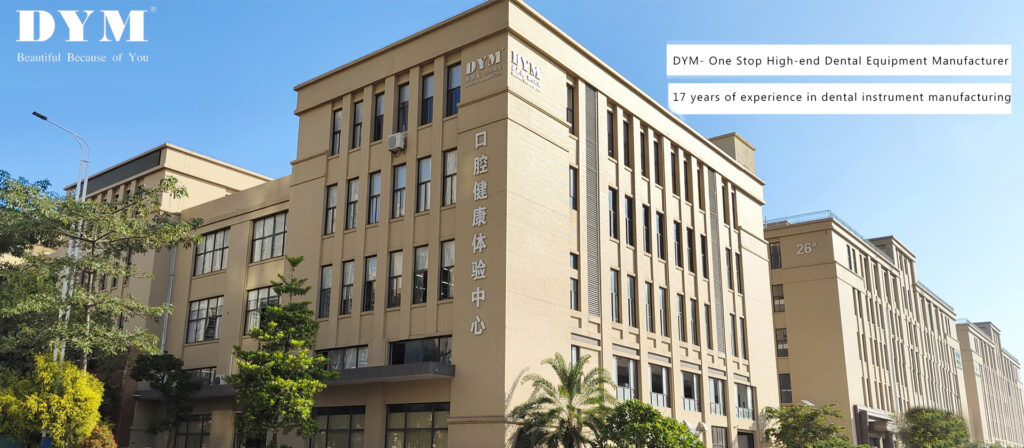
With 10,000㎡ of factory space, 32 production lines, and 60 precision CNC machines, DYM Medical Equipment Co., Ltd. provides one-stop dental equipment manufacturing solutions tailored to the needs of Central Asian distributors, dental clinics, and hospitals.
We warmly welcome dental distributors, oral hospitals, and chain clinics from all five Central Asian countries to visit our company for business cooperation and partnership discussions.